Ali Dandin investor deck
Ali Dandin premium textiles
A destination-led textile brand built around provenance, material intelligence, and premium direct-to-consumer commerce.
$826K
Year 1 Revenue
Premium ASP, disciplined assortment, and four tightly curated drops.
4
Opening SKUs
A narrow launch set designed to keep the brand legible and premium.
55-65%
Gross Margin Target
Premium textiles support pricing power and later private label expansion.
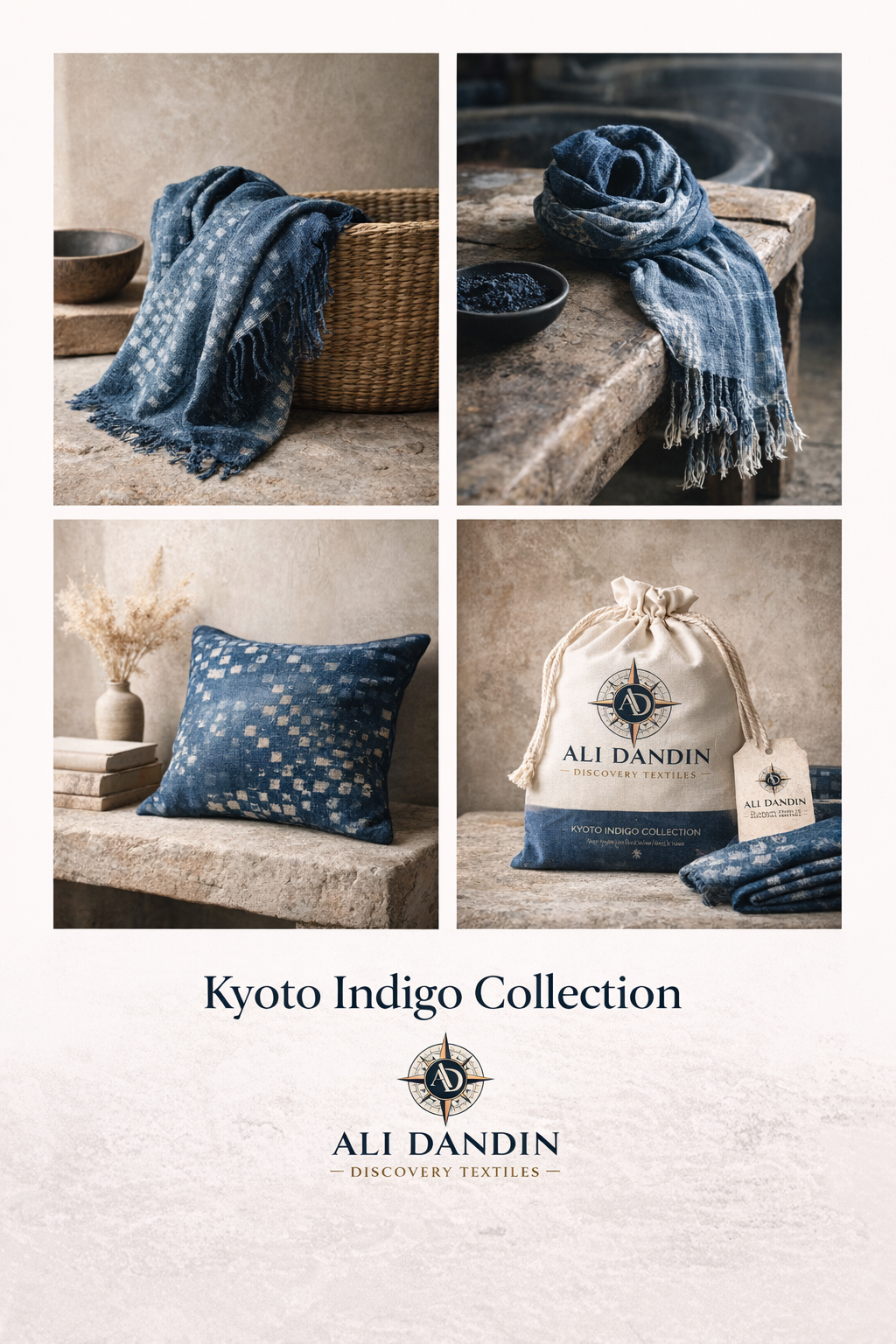
Kyoto Indigo
Opening Collection
A destination-led system anchored in material, process, and origin.
Market Gap
Premium buyers want provenance, but most channels flatten textiles into generic product.
01
Too much catalog
Most marketplaces maximize selection breadth rather than judgment, material literacy, or point of view.
02
Premium without depth
High-end positioning exists, but often without clear sourcing credibility or a distinctive material thesis.
03
Fragmented trust
There is no single textile authority customers rely on for quality, taste, and origin.
Brand Position
Ali Dandin is a premium textile brand built around provenance, material intelligence, and destination-led collections.
The brand narrows the offer to what is ownable: textiles, place, process, and curation.
1
Category
Premium textiles, not broad travel goods.
1
Collection System
One destination-led story at a time.
4
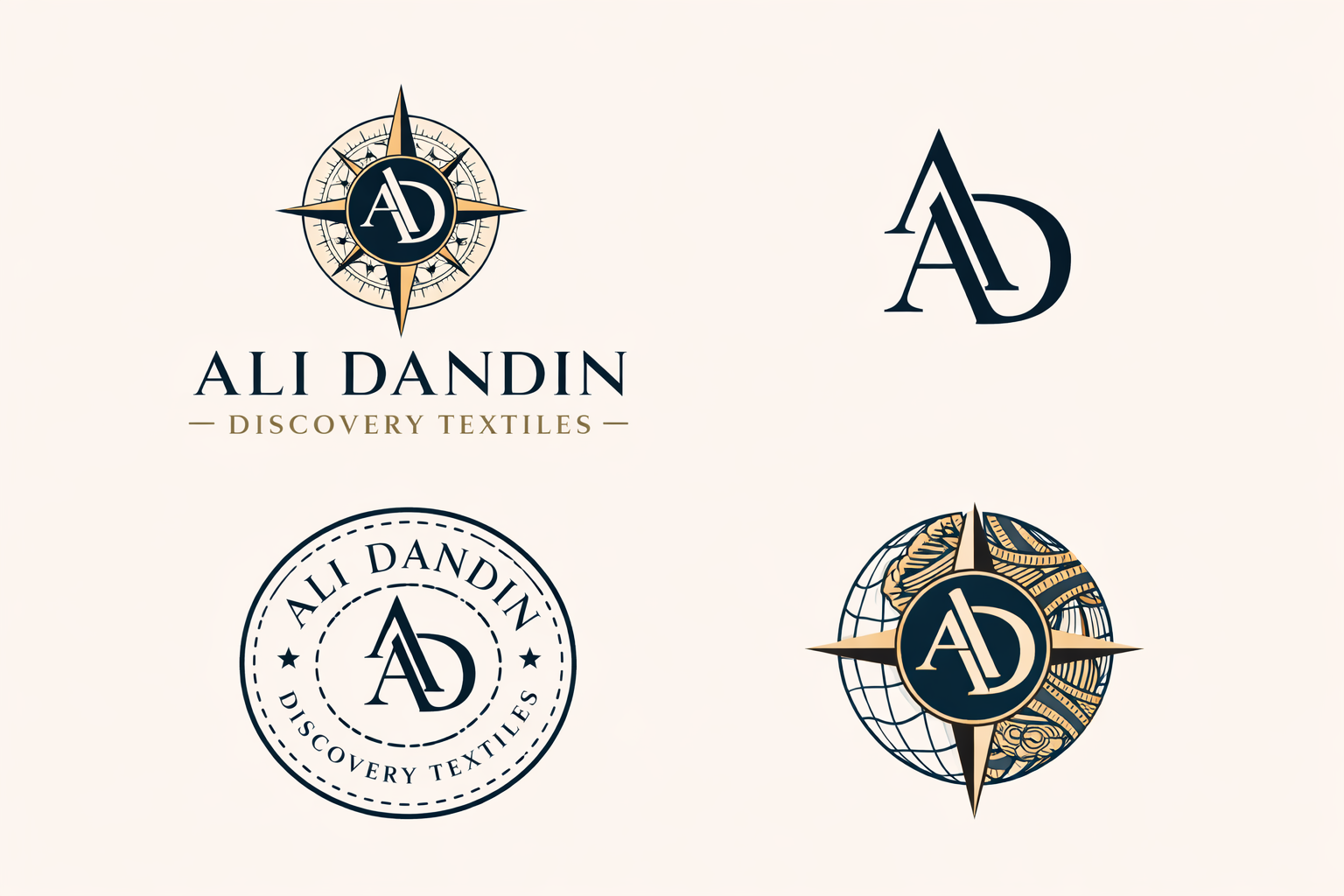
Core Marks
Primary mark, monogram, passport stamp, textile globe.
Why It Wins
The moat is judgment in material, sourcing, and curation, not generic travel content.
Founder edge
Ali’s background creates credibility in supplier conversations, material selection, and quality judgment.
Category edge
Textiles create a cleaner and more defensible market position than a broad “global goods” concept.
Expansion edge
Premium positioning supports higher margins, repeat buying behavior, and eventual private label expansion.
Kyoto Indigo
The opening collection defines how the brand will look, merchandise, and scale.
4
Opening SKUs
A narrow assortment creates sharp merchandising and clear hierarchy.
Japan
Origin Story
Indigo process and Kyoto context shape the collection language.
Indigo
Material Signal
One unmistakable material story makes the opening assortment memorable.
01
Indigo Linen Throw
Hero soft good with premium texture and gifting appeal.
02
Indigo Scarf
Portable entry point with strong styling and repeat-purchase potential.
03
Indigo Pillow
Home anchor that turns the collection into a living-space story.
04
Indigo Textile Set
Study object that turns process and provenance into a collectible product.
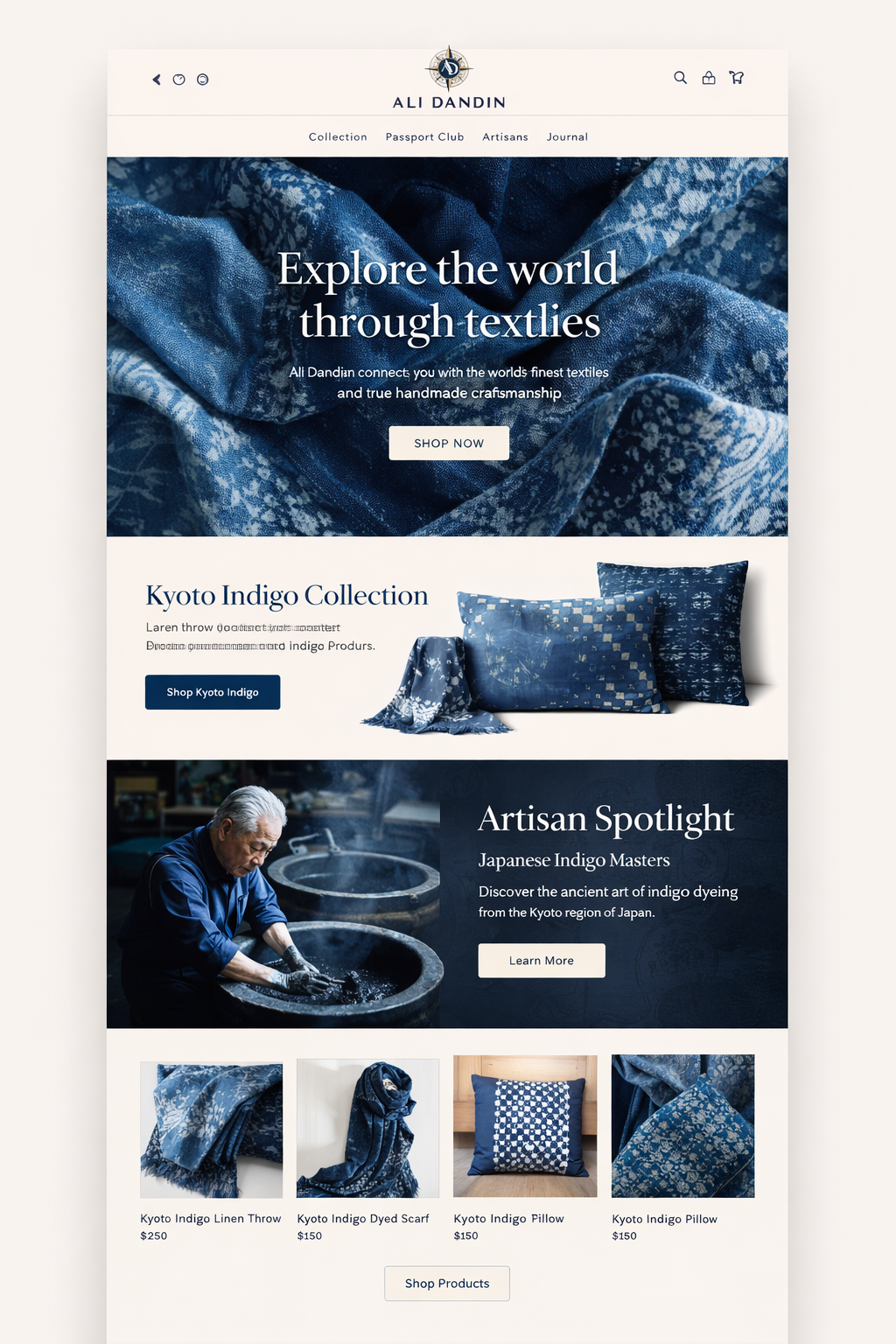
Commerce Platform
The storefront is editorial, premium, and collection-led rather than broad catalog commerce.
01
Collection hero
The homepage opens with one featured collection instead of a broad catalog grid.
02
Process story
Editorial blocks explain the material, maker, and origin before hard selling the assortment.
03
Product clarity
Collection and product pages are structured around material, process, and provenance.
04
Membership layer
Passport Club is integrated as a deeper relationship, not a disruptive pop-up machine.
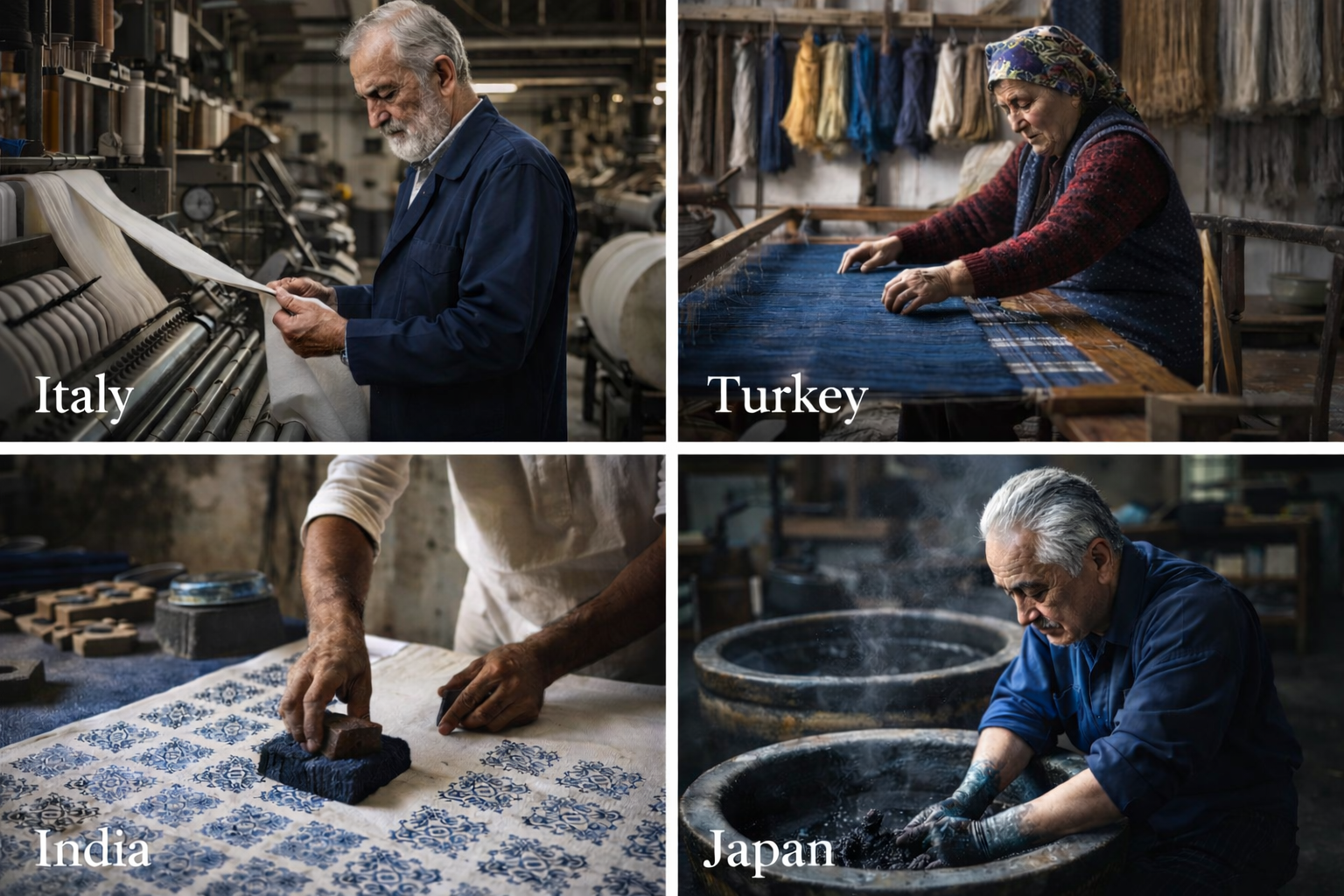
Sourcing Network
Regional sourcing supports both product depth and brand meaning.
Japan
Process anchor
Indigo, heritage finishing, and the strongest opening-origin story.
India
Breadth engine
Block print, handloom depth, and flexible expansion into future collections.
Turkey
Scale layer
Cotton, towels, throws, and production fluency for broader textile programs.
Italy
Luxury finish
Linen credibility, premium finishing, and later prestige manufacturing depth.
Peru
Future fiber
Alpaca and richer fiber stories for soft goods expansion.
Revenue Model
Product revenue establishes the brand, then higher-leverage revenue streams extend it.
01
Collection sales
Direct-to-consumer product revenue anchored by tightly curated textile drops.
02
Membership
Passport Club deepens loyalty, access, and recurring revenue.
03
Partnerships
Passport Club, collaborations, affiliate income, and editorial brand partnerships.
04
Signature lines
Private label, licensing, and prestige retail distribution extend the brand over time.
Economic Model
Premium ASPs and disciplined assortment produce a clean revenue ramp.
Revenue trajectory
$6.91M
Year 3 Product Revenue
The core revenue engine remains collection-driven product sales.
57-61%
Gross Margin Range
Premium pricing stays intact as the assortment matures.
12
Collections by Year 3
Cadence expands without turning the brand into broad catalog commerce.
$8
Membership Price
Passport Club supports recurring revenue and launch depth.
Scale Path
The company advances from discovery into authority and then into a broader textile platform.
Years 1-2
Discovery
Destination-led launches, clear imagery, and tight assortment discipline.
Years 3-4
Authority
Repeat collections, stronger supplier systems, and private label development.
Years 5+
Expansion
Home textiles, prestige partnerships, licensing, and broader distribution.
Capital Use
Early capital funds product, sourcing, content, and operating depth; later capital supports scale.
01
Product
Inventory, sampling, and development for a narrow premium assortment.
02
Sourcing
Travel, supplier onboarding, and quality control across key regions.
03
Content
Editorial production that turns origin and process into conversion-ready story.
04
Operations
Ecommerce, fulfillment, and early team support to keep launches reliable.
$35K-$70K
Initial Capital Range
Enough to fund the opening phase while keeping the brand narrow, premium, and operationally controlled.
Investment case
Ali Dandin combines category clarity, sourcing fluency, pricing power, and a disciplined path from edited collections into signature lines and strategic partnerships.